Luxury Business Hotels Redefining Corporate Travel
Luxury Business Hotels are redefining the landscape of corporate travel by providing exceptional accommodations tailored to the needs of modern business travelers. These establishments not only offer opulence but also prioritize functionality, ensuring that guests have access to high-speed internet, sophisticated meeting spaces, and personalized services. As the demand for luxury accommodations continues to grow, understanding the significance and features of these hotels becomes essential for both travelers and the hospitality industry.
With a focus on a discerning clientele, luxury business hotels cater to professionals who seek both comfort and convenience during their travels. The global market trends indicate a robust growth in this sector, driven by the increasing number of business trips and the evolving expectations of guests who prioritize both work and leisure.
Overview of Luxury Business Hotels
Luxury business hotels are sophisticated establishments designed to cater to the needs of business travelers. These hotels provide an environment that combines comfort, convenience, and high-end amenities, allowing professionals to conduct business efficiently while enjoying the luxury of premium accommodations. Their significance in the hospitality industry stems from their ability to blend work and leisure, providing spaces that facilitate meetings, conferences, and networking opportunities in an upscale setting.The target audience for luxury business hotels includes corporate executives, entrepreneurs, and international travelers who prioritize comfort and convenience during their trips.
These clients often seek seamless experiences, including high-speed internet access, state-of-the-art meeting rooms, and personalized services that cater to their unique requirements. Notably, many luxury business hotels are strategically located in key business districts, making them ideal for professionals looking to stay close to their meetings and events.
Global Market Trends in Luxury Business Accommodations
The global market for luxury business accommodations has been influenced by several trends as the hospitality landscape continues to evolve. One of the primary trends is the increasing demand for personalized experiences, where guests expect tailored services that meet their specific needs. This includes custom amenities, bespoke dining options, and concierge services that can make their stay more enjoyable.Additionally, there is a notable shift towards sustainable practices within the luxury hotel sector.
Many establishments are adopting eco-friendly initiatives, such as reducing waste, utilizing renewable energy sources, and sourcing local, organic products for their restaurants. This trend not only appeals to environmentally-conscious travelers but also enhances the hotel’s brand image.The rise of technology in luxury business hotels is another significant trend. Properties are incorporating advanced technology to streamline operations and enhance guest experiences.
Features like mobile check-in, smart room controls, and virtual concierge services are becoming standard offerings, ensuring that guests have a seamless and efficient stay.
The luxury business hotel market is projected to grow significantly, with an expected compound annual growth rate (CAGR) of over 5% in the coming years, driven by an increase in international business travel.
As the market continues to grow, luxury business hotels are also expanding their offerings to include wellness amenities. Many establishments now feature state-of-the-art fitness centers, spas, and wellness programs that cater to the health-conscious traveler. This focus on well-being not only enhances the guest experience but also aligns with the broader trend of prioritizing health in the workplace.Overall, the luxury business hotel sector is adapting to meet the changing needs of modern travelers while maintaining a commitment to exceptional service and high standards.
As global business travel resumes and evolves, these hotels will continue to play a crucial role in providing the comfort and functionality that business professionals require.
Features and Amenities of Luxury Business Hotels
Luxury business hotels are designed with the corporate traveler in mind, offering a blend of opulence and functionality. These establishments provide a conducive environment for work and relaxation, ensuring that guests can seamlessly transition between business and leisure. The essential features and amenities available in luxury business hotels elevate the travel experience, making them a preferred choice for professionals on the go.One of the key characteristics of luxury business hotels is their commitment to providing state-of-the-art facilities tailored to the needs of business travelers.
These facilities often include spacious meeting rooms, high-speed internet access, and executive lounges, all of which are designed to enhance productivity and comfort during a stay. Below is a comprehensive overview of the distinctive features and amenities that define luxury business hotels.
Essential Features of Luxury Business Hotels
Luxury business hotels distinguish themselves through a range of carefully curated features. These include:
- Spacious Accommodations: Rooms are typically larger and more elegantly appointed than those in standard hotels, featuring high-end furnishings and amenities.
- Dedicated Workspaces: Each room often includes a well-equipped desk and ergonomic chair, with ample power outlets to accommodate multiple devices.
- High-Speed Internet: Reliable and fast internet connections are a standard offering, ensuring uninterrupted communication and online access.
- Business Facilities: This includes meeting rooms, conference spaces, and boardrooms, equipped with the latest audio-visual technology.
- Executive Lounges: Exclusive lounges provide a quiet area for work, informal meetings, and relaxation, often offering complimentary refreshments.
Amenities Offered to Business Travelers
Luxury business hotels go above and beyond in providing amenities that cater specifically to the needs of business travelers. These amenities enhance the overall experience and include:
- 24-Hour Business Center: Equipped with computers, printers, and office supplies, enabling guests to handle business tasks at any hour.
- Concierge Services: Staff members can assist with travel arrangements, restaurant reservations, and event planning to ensure a smooth stay.
- Health and Fitness Facilities: On-site gyms and wellness centers help travelers maintain their fitness routines even while away from home.
- Dining Options: High-quality restaurants and room service provide a variety of dining experiences, catering to different preferences and schedules.
- Spa Services: Many luxury hotels offer spa treatments and relaxation therapies to help guests unwind after a long day.
Comparison with Standard Hotels
When contrasting luxury business hotels with standard hotels, the differences in services and amenities become evident. Luxury business hotels provide a level of service and sophistication that is not typically found in standard accommodations.
Luxury business hotels prioritize the needs of the corporate traveler, offering services like personalized concierge assistance and 24-hour business centers that standard hotels may lack.
Standard hotels often focus on basic needs, while luxury hotels prioritize creating a holistic experience. The focus on high-quality service, exclusive amenities, and business-friendly environments makes luxury business hotels a preferred choice for discerning travelers who value both comfort and productivity during their stays.
Location and Accessibility
The location of luxury business hotels plays a pivotal role in their appeal and functionality. When choosing a hotel for business purposes, travelers consider factors such as convenience, accessibility, and proximity to key business areas. The optimal location not only enhances the guest experience but also aligns with the demands of corporate travel.
Proximity to business districts and transport hubs is crucial for luxury business hotels. Being situated near major business centers ensures that guests have quick access to meetings, conferences, and essential corporate functions. Additionally, hotels located near transport hubs such as airports and train stations provide travelers with ease of access, reducing travel time and enhancing overall efficiency. This strategic positioning is vital for business professionals who often have packed schedules and require seamless transitions from their accommodation to work engagements.
Influencing Factors on Location
Several key factors impact the location selection for luxury business hotels, including:
- Business District Access: Hotels positioned in close proximity to major corporate offices and industry hubs attract business travelers looking for convenience.
- Transport Infrastructure: Proximity to airports, train stations, and public transport links is essential for guests needing to travel quickly and efficiently.
- Safety and Security: Luxury hotels situated in safe neighborhoods enhance guest confidence and comfort during their stay.
- Amenities and Services: The availability of nearby restaurants, shops, and recreational facilities can add to the overall attraction of a hotel’s location.
- Urban Development: Cities investing in infrastructure development and business growth often see a rise in luxury hotel establishments catering to corporate clientele.
Leading cities with a high concentration of luxury business hotels include New York, London, Singapore, and Dubai. New York City, home to many Fortune 500 companies, offers numerous luxury hotels near Wall Street and Midtown, facilitating easy access for business travelers. Similarly, London boasts a range of upscale accommodations in the City of London and Canary Wharf, making it a prime destination for international business.
In Asia, Singapore’s Marina Bay area is known for its impressive skyline and concentration of luxury hotels, catering to the needs of the corporate world. Lastly, Dubai’s rapid development in hospitality and business sectors has resulted in a variety of luxury hotels situated near its dynamic business districts.
Customer Experience and Services
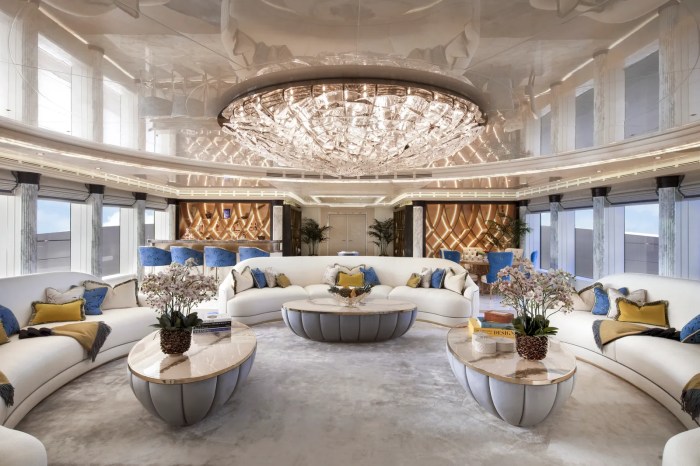
Source: architecturaldigest.com
When it comes to luxury business hotels, the customer experience is paramount. These establishments are dedicated to crafting an environment where guests feel valued and catered to at every turn. From the moment a guest arrives, personalized services are tailored to meet their unique needs, ensuring that their stay is nothing short of exceptional.Luxury business hotels go above and beyond to offer a wide range of personalized services.
For instance, pre-arrival preferences may be noted and fulfilled, such as room temperature settings, pillow types, and even dietary restrictions. This attention to detail means that guests feel seen and understood, enhancing their sense of comfort and satisfaction. It is not uncommon for hotels to provide a dedicated staff member who acts as a personal assistant throughout the stay, handling everything from reservations to special requests.
Concierge Services
Concierge services play a crucial role in enhancing the overall guest experience in luxury business hotels. These specialized services are designed to assist guests with various needs, making their stay seamless and enjoyable. The impact of concierge services on customer satisfaction cannot be overstated.Concierge teams are often available 24/7, ready to assist guests with a plethora of tasks, including:
- Making dinner reservations at exclusive restaurants.
- Arranging transportation, such as taxis or private car services.
- Providing insider tips on local attractions and events.
- Coordinating business needs, such as meeting spaces or audiovisual equipment.
- Offering personalized recommendations based on guests’ interests and preferences.
The presence of a knowledgeable concierge not only alleviates stress for guests but also enhances their overall experience. This personal touch can significantly influence guest satisfaction, leading to positive reviews and repeat bookings.Guest feedback and reviews play an integral role in shaping the services offered by luxury business hotels. Hotels actively encourage guests to share their experiences, both good and bad, as this feedback is invaluable for continuous improvement.
“Guest experiences are the foundation upon which luxury hotels build their reputation.”
Analyzing reviews allows hotels to identify trends in customer satisfaction and areas needing enhancement. For example, if multiple guests mention a desire for more personalized service, the hotel can adjust its training programs to address this feedback. Additionally, high ratings and positive reviews can greatly influence potential guests when they are searching for accommodations, underscoring the importance of maintaining high service standards.
Sustainability Practices in Luxury Business Hotels
Luxury business hotels are increasingly adopting sustainable practices to minimize their environmental impact and appeal to eco-conscious travelers. As the awareness of climate change and environmental degradation grows, these hotels recognize the importance of aligning their operations with sustainable principles. This shift not only contributes to the well-being of the planet but also enhances the guest experience, attracting a demographic that values responsible travel.Modern travelers are increasingly looking for accommodations that reflect their values, and eco-friendly initiatives play a significant role in their decision-making process.
Luxury business hotels have begun to implement a range of practices aimed at reducing waste, conserving energy, and promoting sustainability within their operations. These efforts resonate with guests who wish to enjoy luxury without compromising their commitment to environmental stewardship.
Sustainable Practices in Luxury Business Hotels
Luxury business hotels are embracing various sustainable practices that enhance their operations while being mindful of the environment. Here are some notable initiatives:
- Energy Efficiency: Many hotels have upgraded their lighting systems to energy-efficient LED lights and installed smart thermostats to manage heating and cooling effectively. This reduces overall energy consumption significantly.
- Water Conservation: Implementing low-flow fixtures and dual-flush toilets helps in conserving water. Additionally, some hotels have adopted rainwater harvesting systems to use for irrigation and other non-potable purposes.
- Waste Management: A robust recycling program is crucial in reducing landfill contributions. Many hotels are also working towards eliminating single-use plastics by offering refillable water stations and using biodegradable amenities.
- Local Sourcing: Supporting local farms and businesses by sourcing food and beverages locally not only reduces carbon footprints but also enhances the dining experience by offering fresh and seasonal options.
- Green Certifications: Many luxury hotels seek certifications such as LEED (Leadership in Energy and Environmental Design) or Green Key, which recognize their commitment to sustainability and responsible management practices.
Several exemplary hotels stand out for their commitment to sustainability. For instance, the Hilton Hotel chain has launched the “Travel with Purpose” initiative, aiming for a 50% reduction in its environmental footprint by 2030. Another great example is the Ritz-Carlton, which has implemented a zero-waste program at several locations, diverting 90% of its waste from landfills.
“Luxury doesn’t have to come at the expense of the environment; it can be achieved through thoughtful practices that benefit both guests and the planet.”
As the demand for sustainable practices continues to grow, luxury business hotels are well-positioned to lead the way in eco-friendly hospitality, creating a win-win scenario for guests and the environment alike.
Technology Integration in Luxury Business Hotels
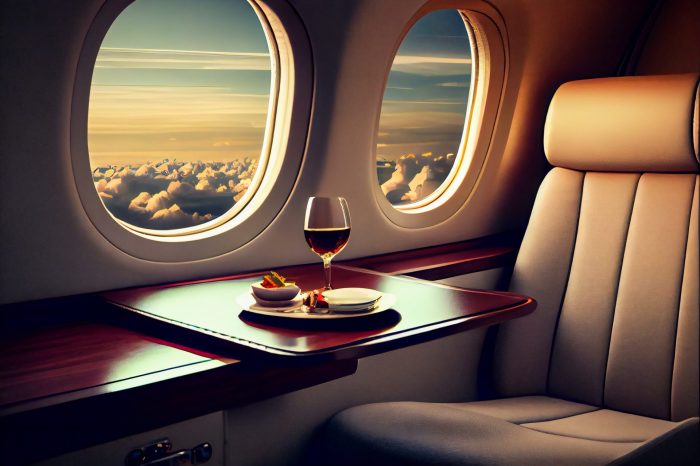
Source: luxurylifestyleawards.com
In the modern landscape of hospitality, technology plays a pivotal role in enhancing guest experiences at luxury business hotels. Guests today expect seamless connectivity, personalized services, and innovative amenities that make their stay not only comfortable but also memorable. Luxury hotels have embraced advanced technologies to meet these expectations, creating an environment where guests feel valued and engaged throughout their visit.One of the standout features of technology integration in luxury business hotels is the implementation of smart room features.
These technologies allow guests to control various aspects of their room environment through digital interfaces, making their stay more enjoyable and tailored to their preferences. From adjusting lighting and temperature to controlling entertainment systems, smart rooms create a personalized atmosphere that caters to individual needs. Mobile app integration further enhances this experience by enabling guests to manage their reservations, check in and out seamlessly, and even order room service with a few taps on their smartphones.
Smart Room Features and Mobile App Integration
Smart room features are essential in providing guests with a unique and customized experience. These features transform traditional hotel rooms into high-tech havens, which can significantly improve overall satisfaction. Key elements of smart rooms include:
- Automated Climate Control: Guests can easily adjust the air conditioning or heating systems via an app or in-room tablet, ensuring optimal comfort throughout their stay.
- Smart Lighting: The ability to customize lighting settings allows guests to create the ambiance they desire, whether it be bright lights for work or soft lighting for relaxation.
- Voice-Activated Assistants: Many luxury hotels are incorporating voice-activated technology, enabling guests to request information, control room features, and even make service requests without needing to use a phone or remote.
- High-Speed Internet Access: Reliable and fast Wi-Fi is a necessity for business travelers, allowing them to work efficiently and stay connected without interruptions.
Mobile app integration complements these smart features by providing guests with a convenient platform to interact with hotel services. The benefits of mobile apps include:
- Digital Room Keys: Guests can access their rooms with their smartphones, eliminating the need for physical keys and enhancing security.
- Service Requests: Guests can order room service, request housekeeping, or book spa treatments directly through the app, streamlining their experience.
- Personalized Recommendations: Apps can offer tailored suggestions based on guests’ preferences and past stays, providing a more engaging and customized experience.
Importance of Cybersecurity Measures
As luxury business hotels increasingly rely on technology, the importance of robust cybersecurity measures becomes paramount. Protecting guest information is a critical concern, as hotels handle sensitive data such as personal identification, payment information, and travel itineraries. Effective cybersecurity practices are necessary to safeguard against potential threats and breaches that could compromise guest privacy.Key cybersecurity measures include:
- Data Encryption: Encrypting sensitive data ensures that even if a breach occurs, unauthorized parties cannot access or use the information.
- Secure Networks: Implementing secure Wi-Fi networks that require authentication helps prevent unauthorized access and protects guests’ online activities.
- Regular Security Audits: Conducting frequent assessments of cybersecurity protocols can help identify vulnerabilities and ensure that the latest security measures are in place.
- Employee Training: Ensuring that staff are well-trained in cybersecurity best practices is essential for minimizing risks associated with human error.
Luxury business hotels that prioritize technology integration not only enhance the guest experience but also build trust through effective cybersecurity measures, ensuring that visitors feel secure and valued during their stay.
Pricing Strategies and Market Positioning

Source: vecteezy.com
Setting the right price for luxury business hotels is a strategic decision that significantly impacts profitability and market positioning. Luxury business hotels often cater to corporate clients who expect high-quality service and amenities, leading to unique pricing models that reflect both the exclusivity of the experience and the competitive landscape of the hospitality industry.Luxury business hotels determine their pricing strategies based on several factors, including operational costs, demand fluctuations, brand equity, and competitive positioning.
Typically, these hotels employ a combination of value-based pricing, where rates are set according to perceived value among their target clientele, and dynamic pricing, which adjusts rates based on real-time demand and occupancy trends.
Branding and Reputation Impact on Pricing
The reputation of a luxury business hotel plays a crucial role in its pricing strategy. A well-established brand with a strong reputation for quality can command higher prices compared to lesser-known competitors. The following aspects illustrate how branding influences pricing:
- Brand Loyalty: Established luxury brands enjoy customer loyalty, allowing them to maintain higher price points as loyal clients are willing to pay more for their preferred brand.
- Perceived Quality: High-quality branding instills confidence in clients that they will receive exceptional service, justifying premium pricing.
- Marketing Position: Luxury hotels that effectively market exclusivity, heritage, or unique experiences can leverage these attributes to justify higher rates.
The interplay between branding and pricing is evident through case studies of renowned brands like The Ritz-Carlton and Four Seasons, which consistently maintain premium pricing through effective branding strategies and customer engagement.
Regional Pricing Strategies Comparison
Pricing strategies for luxury business hotels can vary significantly across different regions, reflecting local market conditions, economic factors, and cultural expectations. Here’s a comparative analysis of how pricing differs across regions:
- North America: In regions like New York and San Francisco, luxury hotels often implement high pricing strategies due to strong demand from business travelers and limited room availability. Seasonal pricing adjustments are common, especially during major conventions or events.
- Europe: European luxury business hotels often showcase competitive pricing strategies influenced by tourism seasons. For instance, hotels in cities like Paris or London may offer lower rates during off-peak months to attract business travelers.
- Asia: In markets such as Singapore and Tokyo, pricing strategies are often aligned with local economic conditions and corporate travel demands. These hotels may utilize premium pricing during international trade fairs or conferences.
The application of these pricing strategies illustrates how luxury business hotels strive to balance profitability with customer expectations, adapting their approaches to fit regional markets while maintaining the high standards associated with luxury branding.
Future Trends in Luxury Business Hotels
As the landscape of business travel continues to evolve, luxury business hotels are at the forefront of adapting to new demands and preferences. The intersection of technology, changing work habits, and sustainability is redefining the experience for both business travelers and hotel operators. Understanding these trends is crucial for those within the hospitality industry and those who frequent these establishments.One of the most significant influences on the future of luxury business hotels is the rise of remote work.
As hybrid work models become the norm, the traditional concept of business travel is being reshaped. Many professionals are now blending work and leisure travel, resulting in an increase in demand for hotels that cater to both needs.
Emerging Trends Shaping Luxury Business Hotels
Several emerging trends are set to shape the future of luxury business hotels as they adapt to new expectations from guests.
- Hybrid Workspaces: With remote work becoming more standardized, luxury hotels are redesigning their spaces to include dedicated work areas that offer privacy and comfort, allowing guests to seamlessly blend work with leisure.
- Health and Wellness Focus: There is an increasing demand for wellness options, including fitness programs, spa treatments, and healthy dining options, to cater to the well-being of business travelers.
- Personalization through Data: Advancements in data analytics will allow luxury hotels to provide personalized experiences, tailoring services and recommendations to individual guest preferences and past behaviors.
- Flexible Booking Policies: As uncertainty remains a factor in business travel, luxury hotels are adopting more flexible booking and cancellation policies to attract guests who seek assurance in their travel plans.
- Emphasis on Sustainability: With a growing awareness around environmental issues, luxury hotels are integrating sustainable practices, such as energy-efficient systems and locally sourced products, to appeal to eco-conscious travelers.
“The future of luxury business hotels will be defined by their ability to adapt to the changing needs of the modern traveler.”
Technological advancements are another area where luxury business hotels will see significant changes in the coming years. Emerging technologies will not only enhance guest experiences but also improve operational efficiencies within the hospitality sector.
Technological Advancements in Luxury Business Hotels
The integration of new technologies is set to transform various aspects of luxury business hotels, making them more convenient and appealing to tech-savvy travelers.
- Contactless Services: Hotels are moving towards a more contactless experience, including mobile check-in, digital room keys, and contactless payments, ensuring safety and convenience for guests.
- Smart Room Features: Many luxury hotels are implementing smart technology in rooms, allowing guests to control lighting, temperature, and entertainment systems through their mobile devices.
- AI-Powered Customer Service: Artificial intelligence tools, such as chatbots, are being utilized to provide instant responses to guest inquiries, enhancing customer service without the need for human intervention.
- Enhanced Connectivity: High-speed internet access and advanced tech infrastructure are becoming standard to meet the demands of business professionals who require reliable connectivity for work.
- Virtual Reality Experiences: Some luxury hotels are adopting virtual reality technology for virtual tours and experiences, allowing potential guests to explore the property before booking.
Through a combination of embracing remote work trends and leveraging technological advancements, luxury business hotels are poised to redefine the future of business travel. The ability to create a balanced environment that supports both work and leisure will be paramount in attracting a new generation of travelers.
End of Discussion: Luxury Business Hotels
In conclusion, luxury business hotels offer a unique blend of comfort, advanced amenities, and personalized services that elevate the business travel experience. As we look to the future, the integration of technology and sustainable practices will likely play a pivotal role in shaping the offerings of these hotels. With their ability to adapt to modern demands, luxury business hotels are poised to remain a key player in the hospitality industry, catering to the needs of today’s business travelers.
Frequently Asked Questions
What defines a luxury business hotel?
A luxury business hotel is characterized by upscale accommodations, premium services, and amenities specifically designed to meet the needs of business travelers.
How do luxury business hotels cater to remote workers?
Many luxury business hotels offer dedicated workspaces, high-speed internet, and flexible meeting facilities to accommodate the needs of remote workers.
Are luxury business hotels eco-friendly?
Many luxury business hotels are adopting sustainable practices, including energy-efficient systems and eco-friendly products, to appeal to environmentally-conscious travelers.
What amenities can I expect at a luxury business hotel?
Common amenities include high-speed internet, executive lounges, fine dining options, fitness centers, and concierge services to enhance guest experience.
How do luxury business hotels ensure guest security?
Luxury business hotels implement advanced cybersecurity measures, secure access controls, and staff training to protect guest information and ensure safety.