Global Market Research Insights and Strategies
Global Market Research sets the stage for this enthralling narrative, offering insights into the critical role that market research plays in shaping business strategies around the world. It dives into how understanding diverse markets can influence product development, marketing strategies, and ultimately, a company’s success. In this exploration, we’ll uncover the methodologies, tools, and trends that define today’s global landscape.
From qualitative and quantitative research methods to the innovative technologies driving data analytics, the significance of global market research cannot be overstated. This exploration will provide a comprehensive look into the challenges faced, the importance of market segmentation, and real-world case studies that illustrate both triumphs and lessons learned.
Importance of Global Market Research
Global market research is a fundamental component of any business strategy aiming for success in today’s interconnected world. As companies expand beyond their domestic markets, understanding global trends, consumer behaviors, and competitive landscapes becomes essential. This research helps businesses navigate complexities and identify opportunities that can significantly enhance their strategic planning and execution.The role of global market research in business strategy is pivotal, influencing various facets of decision-making.
It provides insights that shape product development and marketing strategies, ensuring they align with the preferences and needs of diverse consumer bases. By leveraging this data, companies can tailor their offerings to meet specific market demands effectively.
Influence on Product Development and Marketing Strategies
The influence of global market research extends deeply into product development and marketing strategies. Understanding the nuances of different markets allows businesses to create products that resonate with local consumers and meet their expectations. For instance, a global brand may find that certain flavors or features are more appealing in one region than another, necessitating adjustments to their product line.Additionally, effective marketing strategies stem from robust research findings.
To illustrate, companies can use demographic data, purchasing behaviors, and cultural insights to craft targeted marketing campaigns. This ensures that promotional efforts are not only relevant but also compelling to the intended audience. Key benefits of conducting global market research include:
- Informed Decision-Making: Data-driven insights lead to better business decisions, reducing risks associated with entering new markets.
- Competitive Advantage: Understanding global trends and consumer preferences helps businesses outperform competitors by offering superior products and targeted marketing.
- Identifying Opportunities: Research reveals potential markets for expansion, new product ideas, and emerging consumer needs, guiding strategic investments.
- Enhanced Customer Satisfaction: By aligning products and services with consumer expectations, businesses can improve customer loyalty and retention.
- Risk Mitigation: By anticipating market changes and understanding local regulations, businesses can navigate challenges more effectively.
The comprehensive understanding gleaned from global market research transforms how businesses approach new ventures. It fosters innovation, encourages adaptability, and ultimately drives growth across varying international landscapes. By prioritizing this research, companies position themselves to thrive in an increasingly competitive global arena.
Methods of Conducting Global Market Research
Source: datocms-assets.com
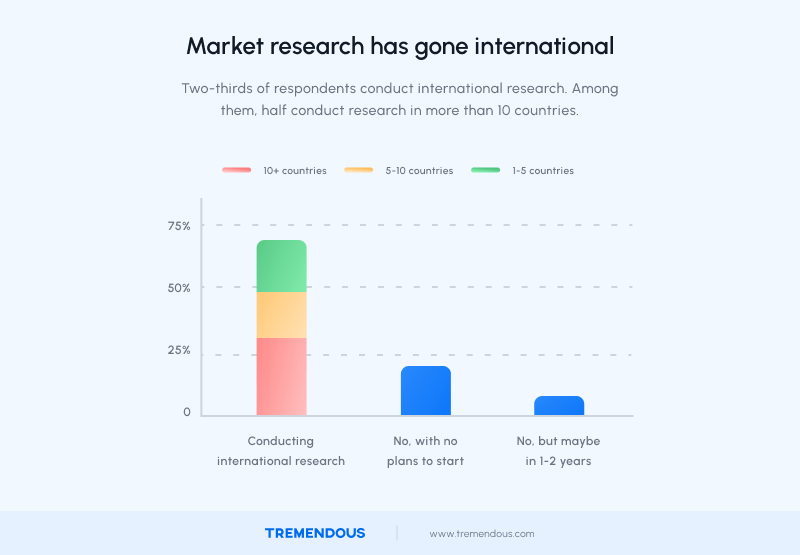
Conducting global market research involves employing a variety of methodologies to gather and analyze data from diverse regions. Understanding the right approach is crucial for making informed business decisions that align with global market dynamics. Different methods can yield distinct insights, making it essential for researchers to select the appropriate methodologies tailored to their objectives and target markets.
Qualitative Research Methods
Qualitative research methods focus on understanding the underlying reasons, motivations, and opinions of individuals. These methods are particularly useful in exploring new markets or understanding consumer behaviors in-depth. Key qualitative techniques include:
- Focus Groups: This method involves gathering a small group of participants to discuss a specific product or service. A moderator guides the conversation, allowing for dynamic interaction and deep insights into participants’ perceptions.
- In-Depth Interviews: Conducting one-on-one interviews with consumers provides rich qualitative data. This method allows for detailed exploration of individual attitudes and experiences.
- Observational Studies: By observing consumers in their natural environments, researchers can gain insights into behavior that may not be captured through direct questioning.
Quantitative Research Methods
Quantitative research methods rely on structured data collection and statistical analysis. These methods are ideal for measuring variables, identifying patterns, and generalizing findings across larger populations. Common quantitative methods include:
- Surveys and Questionnaires: These tools collect numerical data from a wide audience. Surveys can be distributed online or offline and typically include closed-ended questions for easier analysis.
- Experiments: Controlled experiments allow researchers to assess the impact of specific variables on consumer behavior. This method is particularly effective in testing new product features.
- Secondary Data Analysis: Utilizing existing data sets, such as market reports or government statistics, enables researchers to derive insights without conducting new data collection.
Mixed Methods Approach
The mixed methods approach combines qualitative and quantitative research to provide a comprehensive understanding of market dynamics. This strategy leverages the strengths of both methods, enabling researchers to validate findings and explore complex issues more thoroughly.
“The integration of qualitative and quantitative methodologies enhances the richness of data and provides nuanced insights that single-method approaches may overlook.”
Using mixed methods, researchers can begin with qualitative techniques to explore consumer attitudes and then follow up with quantitative methods to measure the prevalence of those attitudes across broader populations. For example, after conducting focus groups to identify key themes in consumer preferences, a survey can quantify how widespread those preferences are among different demographic groups. This approach is essential in global market research, as it accommodates diverse cultural contexts and helps businesses tailor their strategies accordingly.
Tools and Technologies in Global Market Research
In the ever-evolving landscape of global market research, the tools and technologies employed are essential for obtaining accurate insights and facilitating informed decision-making. As businesses expand their reach across borders, leveraging the right methodologies becomes crucial to understanding diverse markets and consumer behavior. In this segment, we will explore popular tools used in global market research, compare traditional approaches with modern digital solutions, and discuss how data analytics enhances research outcomes.
Popular Tools Used for Global Market Research
A variety of tools are available to assist researchers in gathering and analyzing data. These tools range from survey platforms to analytics software, each serving unique purposes in the research process. Here are some widely utilized instruments:
- SurveyMonkey: A powerful online survey tool that allows researchers to create custom surveys and analyze responses efficiently. It provides various templates and question types to cater to different research needs.
- Qualtrics: This platform offers advanced features for survey design, distribution, and analysis. It is particularly useful for businesses looking to conduct in-depth consumer research across various demographics.
- Google Analytics: A crucial tool for website analysis that provides insights into user behavior, demographics, and traffic sources. This data helps businesses understand their online presence in different global markets.
- Statista: A comprehensive statistics platform offering access to a wide range of market data and insights. Statista is beneficial for benchmarking and identifying industry trends across various sectors internationally.
- SPSS: A statistical software suite that enables researchers to perform complex data analysis. It is widely used for quantitative research, making it essential for interpreting large datasets.
Comparison of Traditional Tools with Modern Digital Solutions
The shift from traditional research methods to digital solutions has transformed how market research is conducted. Traditional tools often relied on manual processes, limited reach, and longer timelines. In contrast, modern digital tools provide efficiency, broader access to global audiences, and real-time data collection.
- Traditional Surveys: Often conducted via mail or telephone, these methods can be time-consuming and costly. They might also limit responses to a smaller geographic area.
- Digital Surveys: Online platforms allow researchers to distribute surveys globally at a fraction of the cost and time, enabling quicker data collection and analysis.
- Focus Groups: In-person focus groups can be expensive and logistically challenging, particularly when participants are spread across different regions.
- Virtual Focus Groups: Online focus groups can engage participants from various locations, making it easier to gather diverse perspectives without the constraints of geography.
Role of Data Analytics in Enhancing Research Outcomes
Data analytics plays a pivotal role in refining market research processes and enhancing decision-making. By employing advanced analytical techniques, businesses can derive actionable insights from complex datasets, leading to better-informed strategies.
- Predictive Analytics: This technique uses historical data to forecast future trends, helping businesses anticipate market shifts and consumer demand effectively.
- Sentiment Analysis: Utilizing natural language processing, sentiment analysis gauges public opinion on brands or products. This insight is invaluable for managing brand reputation globally.
- Data Visualization: Tools such as Tableau or Power BI transform raw data into visual formats, making it easier to identify patterns and present findings to stakeholders.
“Analytics transforms data into insights, enabling businesses to make informed decisions and stay competitive in the global market.”
Challenges in Global Market Research
Conducting global market research presents a unique set of challenges that can significantly impact the effectiveness of the data collected and the decisions made based on that data. Understanding these challenges is vital for businesses aiming to expand their footprint in international markets. From language barriers to regulatory issues, each obstacle requires careful consideration and strategic planning.
Common Challenges in Global Market Research
Numerous challenges can hinder the success of global market research initiatives. Some common obstacles include:
- Language Barriers: Different languages can lead to misinterpretations and inaccuracies in responses, limiting the reliability of the gathered data.
- Cultural Differences: Variations in cultural norms and values can affect consumer behavior and perceptions, complicating data analysis and interpretation.
- Regulatory Compliance: Each country has its own laws regarding data collection and consumer privacy, which can pose legal challenges for researchers.
- Access to Information: In some regions, obtaining accurate and relevant market data can be difficult due to limited resources or government restrictions.
- Technological Variability: Differences in technology adoption rates across countries can influence the methods used for data gathering and analysis.
Strategies to Overcome Language and Cultural Barriers
Addressing language and cultural barriers is essential for ensuring that the research findings are valid and actionable. Strategies to mitigate these challenges include:
- Hiring Local Experts: Engaging local researchers who are familiar with the language and culture can provide valuable insights and enhance communication.
- Utilizing Professional Translation Services: Accurate translation of surveys and materials is crucial for maintaining the integrity of the research.
- Conducting Focus Groups: In-person focus groups can help researchers understand cultural nuances and consumer attitudes more deeply.
- Adapting Research Tools: Adjusting research methodologies to align with cultural preferences can lead to more representative data.
Dealing with Data Privacy Issues in Global Research
Navigating data privacy regulations is a significant concern for businesses conducting global market research. Strategies to address these issues include:
- Understanding Local Regulations: Researching and complying with the data protection laws of each market can prevent legal complications.
- Implementing Data Protection Measures: Ensuring strong data encryption and secure storage systems can help protect consumer information.
- Obtaining Informed Consent: Clearly communicating how data will be used and obtaining explicit consent can build trust and transparency with respondents.
- Regular Audits: Conducting periodic audits of data handling practices can identify potential vulnerabilities and ensure compliance.
Target Markets and Segmentation
Market segmentation is a critical aspect of global market research that enables businesses to effectively identify and target specific groups of consumers within diverse international markets. This strategic approach allows companies to tailor their products, marketing strategies, and communications to meet the unique needs and preferences of different customer segments, ultimately enhancing their competitiveness and profitability on a global scale.The significance of market segmentation lies in its ability to break down broad markets into smaller, more manageable sub-markets, allowing companies to gain a deeper understanding of customer behavior and preferences.
This understanding helps in crafting personalized marketing messages and product offerings that resonate with specific audiences.
Framework for Identifying Target Markets
Developing a comprehensive framework for identifying target markets involves several key steps. This structured approach ensures that businesses not only find the right segments but also align their strategies accordingly. The following framework Artikels these steps:
1. Define Market Objectives
Clearly articulate the goals of the market research, identifying what the company aims to achieve in the global market.
2. Segment the Market
Utilize various segmentation criteria to categorize the market, including demographic, geographic, psychographic, and behavioral factors.
3. Analyze Segment Attractiveness
Evaluate each segment’s potential by assessing market size, growth prospects, competitive intensity, and alignment with company strengths.
4. Select Target Markets
Based on the attractiveness analysis, strategically choose which segments to target by considering factors such as resource availability and market entry barriers.
5. Positioning Strategy
Develop a positioning strategy that differentiates offerings for each target market, ensuring that the messaging speaks directly to the needs and desires of the selected segments.
Methods for Evaluating Market Segment Potential
Evaluating the potential of different market segments is crucial for informed decision-making. Various methods can be employed to assess the viability and profitability of each segment. The following methods help in this evaluation:
Market Size Estimation
Use market research techniques such as surveys and secondary data analysis to estimate the size of each segment, providing insights into potential revenue generation.
Growth Rate Analysis
Analyze historical data and market trends to forecast growth rates for each segment, allowing for the identification of emerging markets with high potential.
Competitive Analysis
Assess the competitive landscape within each segment to understand market saturation and identify opportunities for differentiation.
Customer Insights
Utilize qualitative research methods, such as focus groups and interviews, to gain a deeper understanding of customer motivations, preferences, and pain points within each segment.
Cost-Benefit Analysis
Evaluate the costs associated with targeting a particular segment against the potential benefits, ensuring that resources are allocated effectively.This comprehensive evaluation process allows companies to make strategic decisions regarding which markets to enter and how to allocate resources for maximum impact.
Case Studies in Global Market Research
Global market research serves as a powerful tool for businesses aiming to expand their reach and adapt to diverse consumer needs. Through effective research, companies can not only identify new opportunities but also avoid potential pitfalls in unfamiliar markets. This section explores notable case studies that highlight both successful campaigns and cautionary tales from failed efforts.
Successful Global Market Research Campaigns
Several brands have effectively leveraged global market research to enhance their strategies and connect with consumers across various markets. These successful endeavors demonstrate the significance of understanding local preferences and cultural nuances.
- Coca-Cola: Coca-Cola has effectively utilized global market research to tailor its marketing strategies in different regions. For instance, in Japan, the company launched a unique product called “Coca-Cola Plus” that contains dietary fiber, aiming to cater to health-conscious consumers. This adaptation was based on extensive research into local consumer preferences.
- McDonald’s: By conducting thorough research, McDonald’s has successfully localized its menu around the world. In India, where a majority of the population does not consume beef, the company introduced the “McAloo Tikki,” a potato-based burger. This strategic move, rooted in understanding cultural and dietary preferences, has significantly contributed to its success in the region.
- Nike: Nike’s “Just Do It” campaign was tailored to resonate globally while maintaining relevance to local markets. The company conducted research to understand the motivations and aspirations of athletes in different regions, allowing it to create customized marketing strategies that appealed to diverse demographics.
Lessons Learned from Failed Global Market Research Efforts
Not all market research campaigns achieve success. Several companies have faced challenges when their strategies did not align with local market realities. Understanding these failures provides valuable insights for future endeavors.
- Target in Canada: Target’s expansion into Canada is often cited as a cautionary tale. Despite extensive market research, the company underestimated consumer expectations regarding product variety and pricing. The lack of alignment with local shopper habits led to store closures within two years.
- Walmart in Germany: Walmart’s failure in Germany stemmed from a misreading of the market’s competitive landscape and cultural preferences. The company implemented its U.S. business model without adequate adaptation, leading to poor sales and eventual exit from the market.
- PepsiCo’s Tropicana Rebranding: Tropicana faced backlash after a significant rebranding effort that was not well-received by its consumers. Research indicated a strong attachment to the original packaging, leading to a rapid reversal of the rebranding. The situation highlighted the importance of consumer sentiment in brand recognition.
Adaptation of Strategies Based on Research Findings, Global Market Research
Major companies frequently adapt their strategies based on insights gained from global market research. A few prominent examples highlight how research findings can influence business decisions.
- Unilever: Unilever’s “Dirt is Good” campaign was shaped by research indicating that parents across various cultures have differing views on the role of dirt in a child’s development. This insight allowed Unilever to position its products in a way that resonates with parents’ beliefs globally, improving brand equity.
- Starbucks: Starbucks utilized global market research to identify emerging coffee trends in different regions. The introduction of beverages like the “Matcha Latte” and “Turmeric Latte” was driven by consumer demand for health-focused options, showcasing the brand’s agility in product development.
- Procter & Gamble: P&G’s development of the “Always” brand products reflects their adaptation to societal changes regarding menstrual health. Research indicated a need for more open conversations around menstruation, leading to campaigns that empower young women and promote product usage effectively.
Future Trends in Global Market Research

Source: medium.com
The landscape of global market research is evolving rapidly, influenced by technological advancements and shifting consumer behaviors. As businesses increasingly seek to understand and connect with their audiences, staying ahead of these trends becomes crucial. This section will delve into the emerging trends shaping the future of global market research and the implications of these changes.
Emerging Trends Impacting Global Market Research
Several key trends are transforming how global market research is conducted, emphasizing the importance of adaptability and innovation. These trends include:
- Increased Use of Artificial Intelligence: AI is enhancing data collection and analysis, allowing for more accurate insights and predictive analytics. For example, companies like IBM and Google are utilizing AI algorithms to analyze consumer data in real-time.
- Integration of Big Data: The ability to process vast amounts of information is changing the landscape of market research. Businesses can now harness big data from various sources, including social media, to identify trends and consumer preferences.
- Real-Time Analytics: The demand for immediate insights is driving the development of tools that provide real-time data analysis. Brands can quickly adapt their strategies based on current consumer actions and preferences.
- Focus on Personalization: As consumers demand more personalized experiences, market research is shifting towards understanding individual preferences and behaviors, resulting in targeted marketing strategies.
Technological Advancements in Research Practices
Technological advancements are reshaping research practices significantly. The rise of mobile technology and online survey platforms has made it easier for researchers to gather data efficiently and cost-effectively. Platforms like SurveyMonkey and Google Forms enable researchers to reach global audiences with minimal effort.
“Technology not only streamlines the research process but also enhances data accuracy and reduces bias in findings.”
As virtual reality (VR) and augmented reality (AR) become more mainstream, these technologies offer innovative ways to conduct market research by simulating consumer experiences. For example, retailers are using AR to allow consumers to visualize products in their own environments before making a purchase.
Future Developments in Consumer Behavior Analysis
Understanding consumer behavior will become increasingly sophisticated through the integration of advanced analytics and machine learning. Predictive modeling will allow companies to anticipate future consumer trends, enabling proactive adjustments to marketing strategies.Case studies indicate that businesses leveraging data analytics can achieve significant competitive advantages. For instance, retailers employing machine learning algorithms to analyze purchasing patterns have reported increases in sales by up to 20% by better predicting customer needs.As global consumer behavior continues to evolve, the focus will shift toward sustainability and ethical consumerism.
Brands that align with these values and transparently convey their practices will build stronger relationships with their customers, ultimately leading to increased loyalty and market share.
Ending Remarks

Source: qualsights.com
As we wrap up this exploration of Global Market Research, it’s evident that the future of business strategy hinges on in-depth understanding of global markets. The evolution of technology and consumer behavior will continue to shape research practices, offering new opportunities for businesses willing to adapt. By embracing these insights and methods, companies can position themselves for success in an increasingly interconnected world.
Clarifying Questions: Global Market Research
What is global market research?
Global market research involves collecting and analyzing data from various international markets to inform business strategies and decisions.
Why is market segmentation important?
Market segmentation helps businesses identify and target specific groups of consumers, leading to more effective marketing strategies and product development.
What are common challenges in global market research?
Common challenges include language barriers, cultural differences, and data privacy issues that can complicate research efforts.
How does technology impact global market research?
Technology enhances data collection, analysis, and visualization, making it easier to gain insights and adapt to market changes.
What are the benefits of a mixed methods approach?
A mixed methods approach combines qualitative and quantitative data, providing a more comprehensive understanding of market dynamics.